
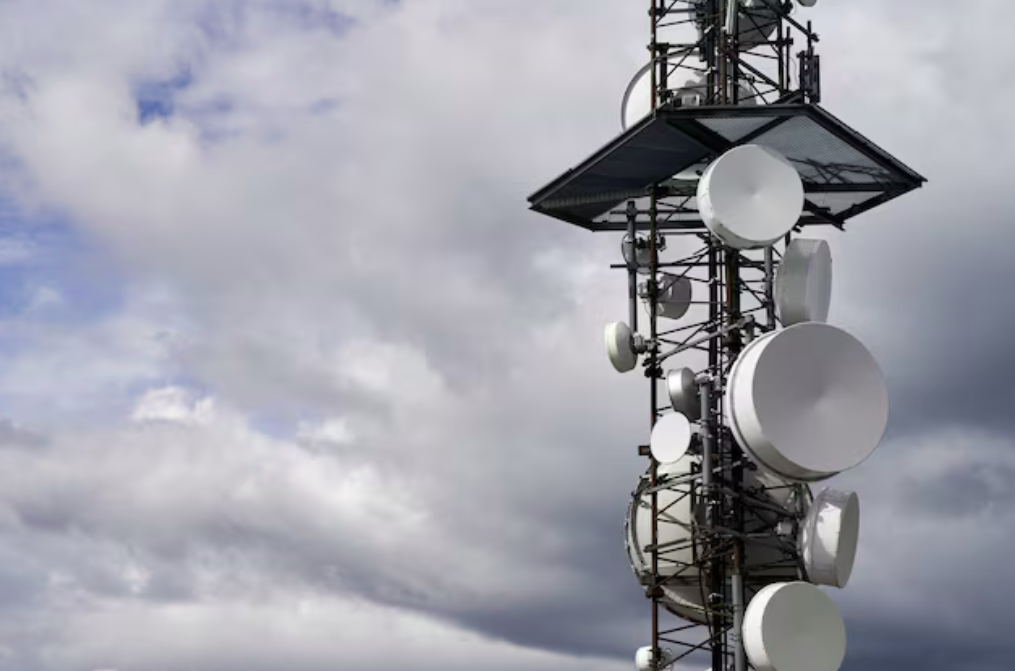
In the rapidly evolving landscape of wireless communication, the demand for high-performance, compact, and efficient radiating systems has never been higher.
From 5G networks to Internet of Things (IoT) devices, the antenna serves as the critical interface between the electronic circuit and the physical world.
Achieving peak performance requires more than just theoretical modeling; it necessitates a rigorous antenna test to validate and refine the design through various iterations.
Bridging the Gap Between Simulation and Reality
Designers typically begin with sophisticated Computational Electromagnetics (CEM) software to model radiation patterns and impedance matching. However, real-world materials, manufacturing tolerances, and housing constraints often introduce variables that software cannot fully predict.
Conducting an antenna test allows engineers to identify these discrepancies early. By measuring the physical prototype, designers can observe how the actual environment affects gain and bandwidth, ensuring the final product meets the intended specifications.
Evaluating Efficiency and Radiation Patterns
One of the primary goals of optimization is maximizing radiation efficiency. Energy lost as heat or reflected back to the source reduces battery life and signal range. Through precise measurements in controlled environments like anechoic chambers, engineers can map the 3D radiation pattern.
This data is essential to ensure that the energy is directed where it is needed most. A comprehensive antenna test provides the empirical evidence required to adjust the physical geometry of the element for better directional characteristics.
Mitigating Interference in Complex Systems
Modern devices often house multiple antennas within a small chassis, leading to electromagnetic interference (EMI) and coupling issues. Optimization involves fine-tuning the isolation between these components.
Testing helps in identifying “dead zones” or parasitic resonances caused by nearby metal objects or electronic components. By analyzing these interactions, engineers can implement shielding or reorient elements to maintain high signal integrity across all operating bands.
Optimizing Impedance Matching and Return Loss
An antenna is only as good as its feed network. Optimization focuses heavily on minimizing return loss to ensure maximum power transfer. Variable factors such as solder joints and PCB dielectric constants can shift the resonant frequency.
Systematic measurement allows for the calibration of matching networks in real-time. This iterative process ensures the device operates efficiently across the entire frequency spectrum without wasting power.
Validation Under Environmental Stress
Design optimization is not complete until the hardware can perform under diverse conditions. Physical testing often extends to measuring performance under temperature fluctuations, humidity, and mechanical vibration.
These tests reveal how material expansion or contraction might detune the system. By understanding these shifts, designers can choose more stable substrates or implement software-defined tuning to compensate for environmental changes.
Final Quality Assurance and Compliance
The ultimate antenna test serves as a gateway to commercial viability. Regulatory bodies require strict adherence to Specific Absorption Rate (SAR) and Total Radiated Power (TRP) standards.
Optimization ensures that while the device is powerful, it remains safe for human use and does not interfere with other licensed spectra. This final stage of testing confirms that the design optimization process has successfully balanced performance, safety, and reliability.