
Sewing is both a practical skill and a creative art form that rewards those who invest in understanding their craft and choosing the right tools. Whether you are a beginner taking your first stitches or an experienced tailor working on complex projects, the quality and suitability of your equipment has a direct and measurable impact on the results you achieve.
Taking the time to understand what different machines offer and how they align with your needs is an investment that pays dividends with every project.
Finding the Perfect Match in Sewing Machines
The market for sewing machines is vast and varied, spanning everything from basic mechanical models suited to beginners through to sophisticated computerized machines equipped with hundreds of stitch patterns, automatic features, and precision controls that experienced sewists rely on for professional-quality results.
Understanding the key categories and how they differ helps buyers make choices that genuinely match their skill level and ambitions. Mechanical machines are valued for their reliability, simplicity, and ease of maintenance. They are excellent for beginners and for sewists who work primarily with woven fabrics on straightforward projects.
Matching the Machine to the Project Type
No single sewing machine is the ideal tool for every project type. Heavy fabrics such as denim, canvas, and upholstery material require machines with robust feed systems and powerful motors capable of driving a needle through multiple layers without difficulty.
Delicate fabrics such as chiffon, silk, and jersey require precise tension control and a gentle feed that prevents distortion or damage. Quilters benefit from machines with large throat space that accommodates bulky quilt sandwiches, while embroiderers look for machines with hoop systems and integrated design libraries.
Evaluating Quality and Long-Term Value
The quality of a sewing machine is reflected not just in its initial performance but in how it holds up through years of use. Build quality, the availability of replacement parts and accessories, manufacturer warranty terms, and the quality of after-sales service all contribute to the long-term value of any machine.
Reading reviews from experienced sewists, visiting a dealer who allows you to test machines in person, and consulting with a knowledgeable retailer are all valuable steps in making a well-informed purchase.
Essential Accessories That Improve Sewing Results
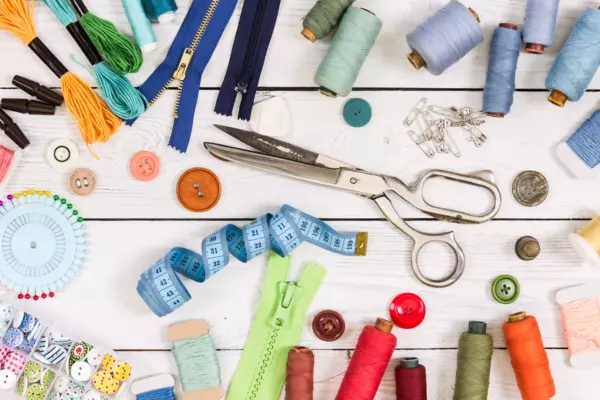
Along with choosing the right sewing machine, using the right accessories can make a big difference in the quality of your sewing work. Small tools such as different types of presser feet, sharp fabric scissors, measuring tape, and high-quality needles help you work more accurately and comfortably.
Each accessory has a specific purpose, and using the correct one for the job reduces mistakes and improves the final finish of your project. It is also important to keep your tools in good condition so they last longer and perform well. Changing needles regularly, cleaning lint from your machine, and storing tools properly all help maintain consistent results.
Conclusion
Selecting the right sewing machine is a decision that shapes the quality, enjoyment, and efficiency of your sewing practice for years to come. Understanding your skill level, project types, and long-term creative ambitions allows you to choose a machine that truly serves your needs.
With the right equipment, every project becomes more enjoyable to execute, the results are more consistent and polished, and the craft of sewing itself becomes a source of genuine pleasure and satisfaction.