
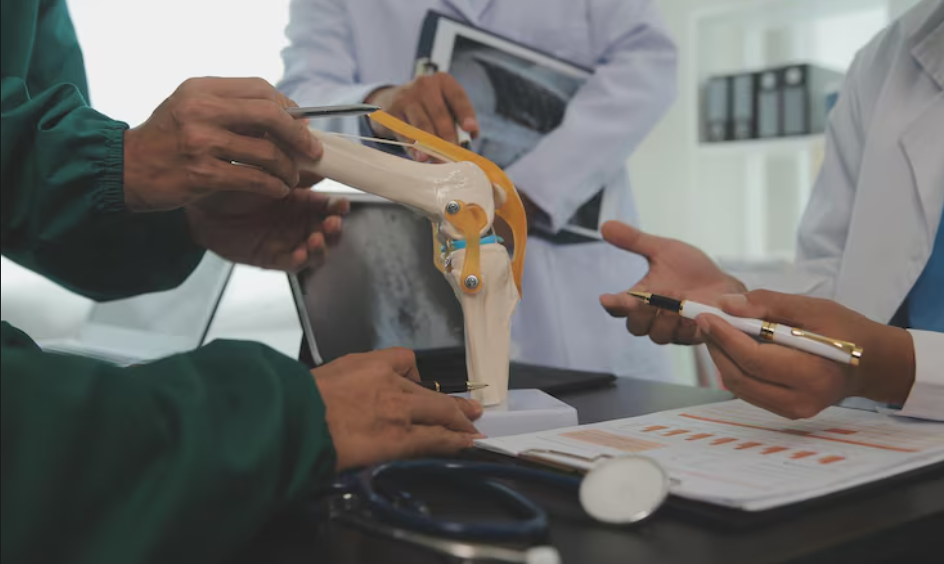
In the healthcare field, professionals are always looking for ways to enhance their skills and provide better patient care. One of the most effective ways to do this is through specialized education. An accredited Orthotics and Prosthetics Master’s Program offers a structured pathway for individuals who want to excel in this specialized area of healthcare. This program not only equips students with technical skills but also prepares them to make a meaningful impact on patients’ lives.
Understanding Orthotics and Prosthetics
Orthotics and prosthetics is a healthcare discipline focused on designing, fitting, and maintaining devices that support or replace parts of the human body. Orthotic devices help patients with mobility, posture, or limb support, while prosthetic devices replace missing limbs or enhance functionality. Professionals in this field work closely with patients, physicians, and therapists to improve quality of life. Completing an accredited Orthotics and Prosthetics Master’s Program ensures that graduates have a thorough understanding of both the technical and clinical aspects of these devices.
The Importance of Accreditation
Accreditation is a mark of quality and reliability in education. An accredited Orthotics and Prosthetics Master’s Program meets national and international standards, ensuring students receive education that is recognized and respected in the healthcare industry. Accreditation also guarantees that the curriculum is comprehensive, combining theoretical knowledge with practical clinical experience. For students, this means they are better prepared to pass certification exams and enter the workforce confidently.
Skills and Knowledge Gained
Students in an accredited Orthotics and Prosthetics Master’s Program acquire a variety of essential skills. They learn how to assess patients’ needs accurately and design devices that meet individual requirements. The program teaches them to use advanced materials and technologies in device fabrication, ensuring durability and functionality. Clinical training is also a significant part of the curriculum, allowing students to gain hands-on experience in patient care. Graduates leave the program with both the technical proficiency and interpersonal skills necessary to excel in their careers.
Career Opportunities
Graduating from an accredited Orthotics and Prosthetics Master’s Program opens doors to a wide range of career opportunities. Professionals can work in hospitals, rehabilitation centers, private clinics, or research and development departments. Some may choose to specialize further in pediatric, geriatric, or sports-related orthotics and prosthetics. The program also prepares graduates to take national and international certification exams, which can significantly enhance career prospects and earning potential.
Advancing in the Healthcare Field
Beyond immediate job opportunities, completing an accredited Orthotics and Prosthetics Master’s Program helps healthcare professionals advance in their careers. It equips them with leadership skills, clinical expertise, and technical knowledge, making them valuable members of interdisciplinary healthcare teams. Graduates are often considered for supervisory or managerial positions, teaching roles, and opportunities in healthcare innovation. This type of advanced education demonstrates a commitment to professional growth and a dedication to improving patient care.
Making a Difference in Patients’ Lives
Ultimately, the goal of an accredited Orthotics and Prosthetics Master’s Program is to prepare professionals who can make a real difference. By designing and fitting devices that restore mobility and independence, graduates help patients regain confidence and improve their quality of life. The combination of clinical training, technical expertise, and patient interaction ensures that healthcare professionals can address complex needs effectively and compassionately.
Conclusion
Enrolling in an accredited Orthotics and Prosthetics Master’s Program is a significant step for anyone looking to advance their healthcare career. The program provides essential technical skills, clinical experience, and professional recognition, all of which are crucial for career growth. Graduates not only gain the ability to work with cutting-edge technology but also develop the compassion and understanding needed to improve patients’ lives. For healthcare professionals dedicated to making a meaningful impact, this program offers a pathway to both personal and professional fulfillment.