
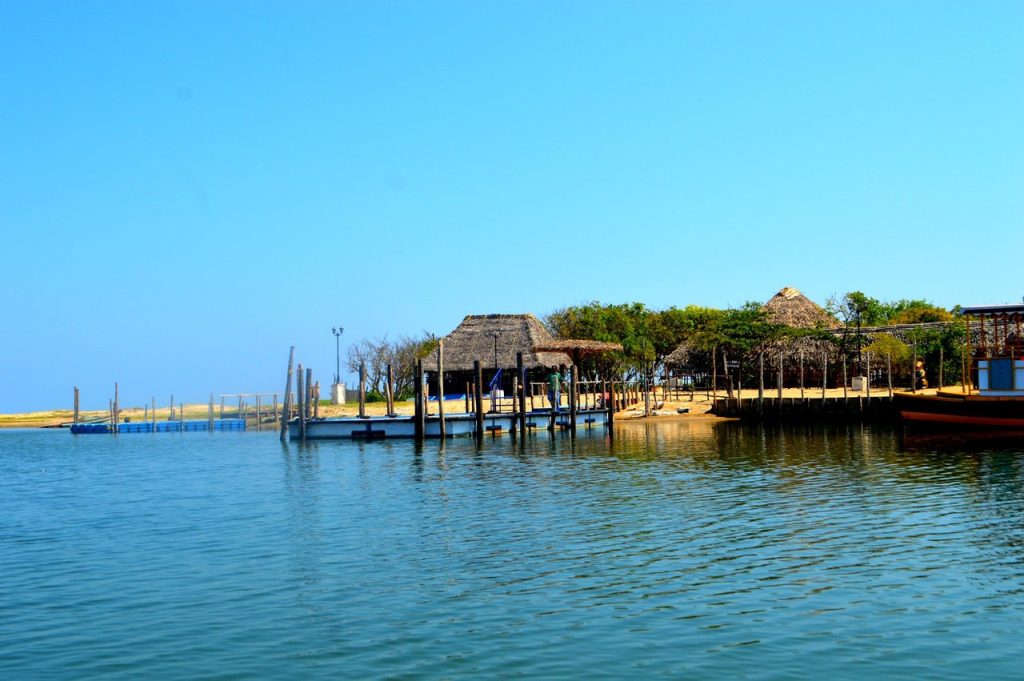
Travel isn’t always about ticking boxes on a guidebook list. Sometimes it’s about the slow walks, the unexpected conversations, the way the sea sounds different in each place you visit. The older I get, the more I realize that the real value of traveling isn’t just in the “places seen” but in how you carry them long after you’ve left.
The Charm of Pondicherry
Take Pondicherry, for instance. It’s not just another coastal city—it’s a mood, a rhythm. The French Quarter, with its pastel buildings and bougainvillea draping over whitewashed walls, feels like stepping into a painting. Walk down the promenade in the evening and you’ll see locals chatting, children racing along the sea wall, and travelers sipping coffee as if they’ve all agreed life can wait until after the sunset.
A pondicherry tour is never just about the sights. It’s the smell of freshly baked croissants mixing with the salty air, the bicycle rides through narrow streets, the quiet of Auroville where time seems to stretch differently. Even meals feel special—one moment you’re enjoying a spicy Tamil thali, the next you’re savoring a French dessert that rivals anything in Paris. The duality isn’t confusing—it’s comforting, like two cultures shaking hands and deciding to coexist beautifully.
Food, Colors, and Conversations
Pondicherry also teaches you the art of slowing down. The cafés here don’t rush you out, the markets let you browse without pressure, and even the waves seem to lap the shore at their own gentle pace. On my last visit, I remember stumbling into a tiny bookshop where the owner insisted I read a local poet’s work. That small conversation added more to my trip than any landmark could. Travel is funny that way—it’s often the people you meet who end up being the highlight.
The Role of Tour Operators
Not everyone enjoys figuring out logistics. Some people thrive on spontaneous exploration, while others find comfort in knowing the details are taken care of. And honestly, both approaches are valid. When time is limited or destinations are complex, relying on experts makes sense. That’s where the best tour operators in india come in—not just to book hotels or buses, but to craft an experience that flows naturally, blending local insights with convenience.
I’ve seen families who might have otherwise skipped travel finally venture out because everything was planned for them. I’ve also seen solo travelers, initially hesitant, find courage knowing there was a structure to lean on. A good tour operator doesn’t kill spontaneity; they create a safety net so you can enjoy your trip without stress.
The Balance Between Structure and Freedom
For me, the trick has always been balance. Sometimes I book a package, but I always leave pockets of free time unplanned. That way, you get the best of both worlds—you see the iconic sites without missing those little detours that make travel personal. Like finding a chai stall on the outskirts of Mysore that serves tea so strong it jolts you awake better than any alarm clock. Or walking into a temple courtyard you didn’t even know existed, just because curiosity pulled you in.
Why Smaller Journeys Matter
It’s tempting to think only “big” trips count. Europe, Southeast Asia, long vacations. But I’ve found that smaller journeys—weekend escapes, short city tours, coastal drives—often leave just as deep a mark. They’re easier to fit into life, and because they’re shorter, you tend to savor them more. A single sunrise in a hill station can carry you through weeks of routine.
And when you start stringing together these smaller adventures, you realize they build a tapestry of stories that’s richer than one long vacation ever could be.
Travel as a Teacher
Every trip teaches something new. Pondicherry taught me patience—how to sit quietly and let a place reveal itself instead of rushing through it. A trek in the Himalayas taught me resilience—how to keep walking even when you think you’re done. A desert safari in Rajasthan taught me humility—how small we really are under a sky filled with endless stars.
The beauty of travel is that you never quite return the same. Pieces of each place attach themselves to you—sometimes subtly, sometimes profoundly—and they shape how you see the world.
The Human Side of Journeys
I often think we underestimate the human side of travel. We remember monuments and landscapes, but what about the taxi driver in Kerala who played his favorite old songs for the entire journey? Or the grandmother in a Himachali village who offered tea to strangers just because they looked tired? These moments don’t come with price tags or ticket stubs, but they’re the ones that make travel feel alive.
And it’s why I try to slow down wherever I go, to listen as much as I look. Because places are made by people, and people carry the stories that give places meaning.
The Freedom to Choose
The best part about travel today is the freedom of choice. You can plan everything down to the minute with an operator or wander aimlessly with just a backpack. You can stay in luxury resorts or crash in a homestay. You can join a bustling group tour or slip away into solitude. None of these approaches is wrong—they’re all valid, depending on what you need at that point in life.
That’s the beauty of it: travel adapts to you. Some days you want comfort, other days you want chaos. Some trips are about resting, others about testing your limits. And all of it counts.
Closing Thoughts
In the end, what stays isn’t the checklists but the feelings. The hush of a Pondicherry morning, the thrill of navigating a new city, the laughter shared over a meal you couldn’t pronounce on the menu. Travel reminds us that life is more than routines—it’s about discovery, wonder, and connection.
So whether you’re planning a coastal stroll through Pondicherry, booking with a trusted operator for a complex itinerary, or just taking a day trip nearby, don’t wait for the “perfect” moment. The roads are already there, waiting. And every journey—big or small—has the power to shift something in you, often in ways you won’t realize until much later.