
Workplace safety and air quality are important for protecting employees and improving productivity. In many industries, dust, fumes, vapors, and airborne contaminants are produced during daily operations. If these pollutants are not properly controlled, they can harm workers’ health over time. This is where LEV systems play an important role. LEV systems, or Local Exhaust Ventilation systems, are designed to capture harmful substances at their source before they spread into the workplace air. By doing this, they help create a cleaner and safer working environment.
Understanding LEV Systems in the Workplace
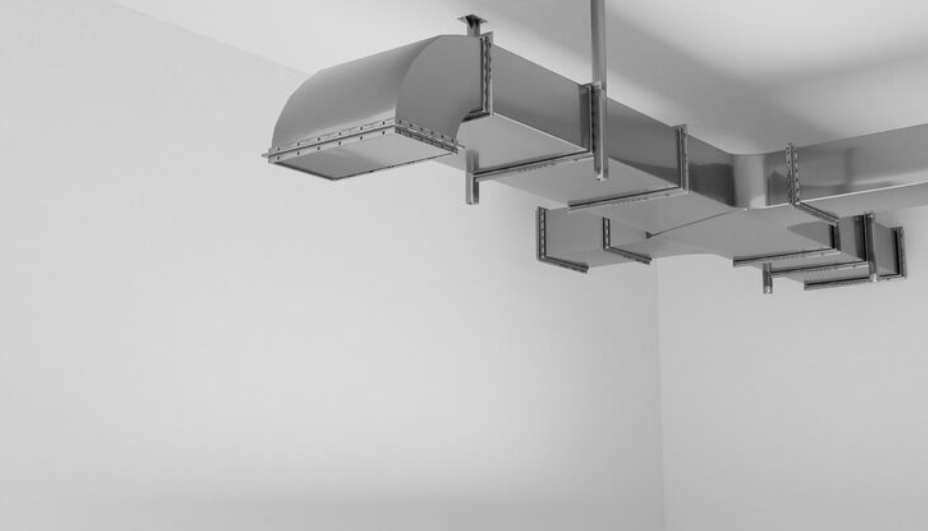
LEV systems are engineered ventilation setups that remove airborne contaminants directly from where they are produced. Instead of allowing dust, smoke, or chemical fumes to spread throughout a room, these systems capture them near the source using hoods, ducts, and fans.
In many workplaces such as factories, laboratories, welding shops, and woodworking units, LEV systems are essential. They help control exposure to harmful particles that can cause respiratory issues or long-term health problems. Because they work at the point of generation, they are more effective than general ventilation systems alone.
Improving Air Quality with LEV Systems
One of the main benefits of LEV systems is their ability to significantly improve indoor air quality. When harmful particles are removed immediately, the overall air becomes cleaner and safer to breathe.
Without proper control, airborne pollutants can spread quickly and settle on surfaces or be inhaled by workers. Over time, this can lead to allergies, asthma, or other respiratory conditions. LEV systems reduce these risks by continuously extracting contaminated air and filtering or exhausting it outside the building. This ensures that workers are exposed to much lower levels of hazardous substances during their shifts.
Enhancing Workplace Safety and Compliance
Workplace safety regulations in many countries require employers to control exposure to harmful airborne substances. LEV systems help businesses meet these legal requirements by providing an effective method of hazard control.
By reducing exposure to dangerous fumes, gases, and dust, these systems lower the risk of workplace illnesses and accidents. Workers are less likely to suffer from dizziness, breathing difficulties, or long-term health complications. This not only improves safety but also builds a healthier and more productive workforce.
In addition, maintaining proper air quality through LEV systems can help companies avoid fines and legal issues related to safety violations. It shows a commitment to employee wellbeing and responsible workplace management.
Increasing Productivity and Work Efficiency
Clean air has a direct impact on employee performance. When workers are not exposed to irritating dust or harmful fumes, they feel more comfortable and focused on their tasks. LEV systems help maintain a stable and healthy working environment, which reduces fatigue and discomfort.
Over time, this leads to fewer sick days and higher productivity levels. Employees can work more efficiently without constant exposure to poor air quality conditions. This makes LEV systems not only a safety investment but also a productivity booster for many industries.
Conclusion
LEV systems play a vital role in improving workplace air quality and ensuring employee safety. By capturing harmful contaminants at the source, they reduce health risks, support regulatory compliance, and create a more comfortable working environment. Businesses that invest in LEV systems benefit from healthier employees, better productivity, and a safer workplace overall.