
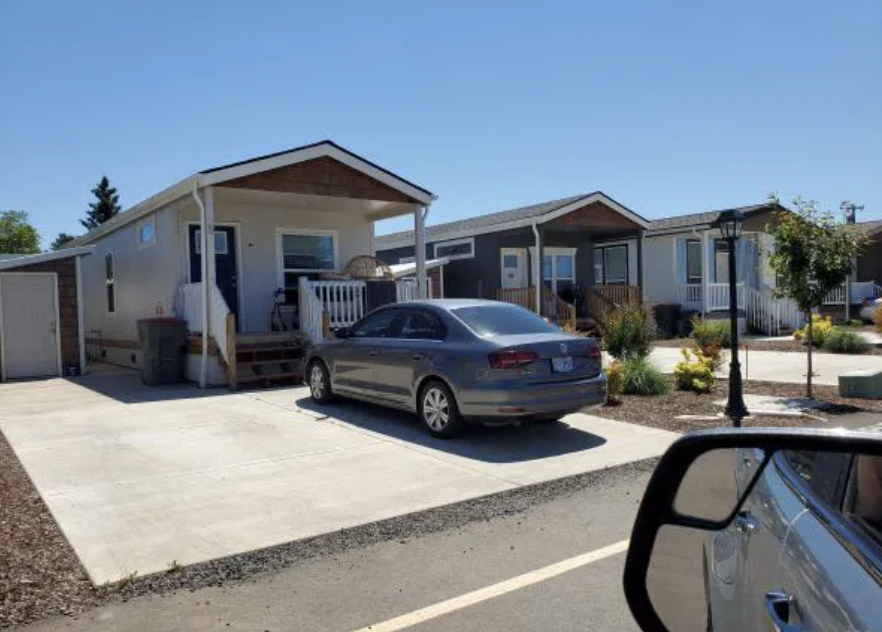
Mobile home removal is one of those topics that sounds straightforward but quickly gets complicated once you start looking into the details. If you are trying to figure out how to remove a mobile home from a property, the process involves permits, transportation logistics, utility disconnection, and sometimes dealing with the park management or land authority, all of which require careful coordination to avoid costly mistakes or legal headaches down the line. Going in without a clear understanding of each step can lead to unexpected delays, fines, or damage to the property, so taking the time to educate yourself before anything gets started is genuinely one of the best investments you can make in this process.
The first thing to figure out is whether the home is being relocated or permanently decommissioned. A home that is being moved to a new lot requires a transportation permit, a licensed hauler, and a receiving site that is fully prepared and ready to accept it before the move begins. A home being demolished or scrapped follows a different set of rules entirely, often involving local building or zoning departments that have their own timelines and requirements. Either way, starting with your county’s permitting office is the right move before anything else gets scheduled or paid for. For anyone wanting solid context on responsible disposal and material management from the EPA, that guide explains the environmental side of decommissioning in plain terms and helps you understand what obligations you may have as the property owner during the process.
One major factor people consistently underestimate is the structural condition of the home. Older manufactured homes sometimes have frames or axles that are no longer roadworthy, which makes transport risky or even impossible without significant preparation and reinforcement. A professional inspector or licensed hauler will be able to assess the structural integrity of the home quickly and let you know exactly what you are working with before you commit to any removal plan or sign any contracts. Getting that evaluation done early in the process saves you from costly surprises down the road and gives you the information you need to make the right call about how to proceed.
Utility disconnection also has to happen in the correct sequence, and skipping or rushing any part of it creates serious problems. Water, sewer, electric, and gas connections must each be properly capped or disconnected by qualified, licensed professionals before the home can be legally and safely moved. Skipping steps here creates liability and safety risks that no seller wants hanging over a transaction, and in some jurisdictions it can actually invalidate your permits entirely. If you are also weighing whether removal makes more sense than simply selling the home in place to a direct buyer, Realtor.com’s seller advice center covers decision-making frameworks and cost comparisons that apply well to manufactured housing situations and can help you make a more informed choice before committing to a direction.
The removal process is completely manageable when you plan ahead, work with experienced licensed professionals, and take the time to understand each step before it happens. Rushing into it without proper preparation is where most of the costly mistakes occur. Getting informed early, asking the right questions, and building a realistic timeline saves you significant time, money, and stress at every stage of the process from start to finish.