
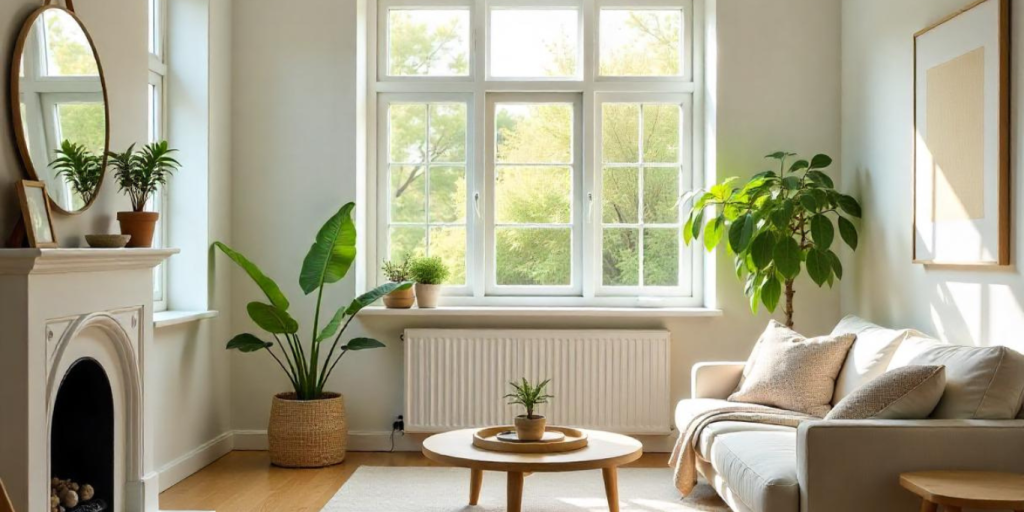
Energy efficiency has become an important part of modern home living. A home that uses energy wisely can lower monthly utility bills, reduce stress on heating and cooling systems, and create a more comfortable indoor environment. Many homeowners believe energy efficiency requires expensive upgrades, but small and smart changes can make a big difference over time.
By focusing on insulation, maintenance, and daily habits, any household can improve how energy flows and stays inside the home. The following tips explain practical ways to increase energy efficiency using simple actions that fit naturally into everyday life.
Improve Home Insulation and Seal Air Leaks
Proper insulation helps a home hold warm air in winter and cool air in summer. When walls, ceilings, and attics lack good insulation, energy escapes quickly and forces systems to work harder. Sealing air leaks around doors, windows, and vents also prevents outside air from entering the home.
Weather stripping, caulking, and door sweeps offer affordable solutions that stop drafts. When insulation works correctly, indoor temperatures remain stable and energy use stays under control throughout the year.
Use Energy-Efficient Lighting and Appliances
Lighting and appliances play a major role in daily energy use. Energy-efficient light bulbs consume less electricity while providing the same brightness as traditional bulbs. Modern appliances with energy-saving ratings also use power more wisely during operation.
Turning off unused lights and unplugging idle electronics further reduces wasted energy. These simple habits lower electricity bills and help homes run more efficiently without changing comfort or convenience.
Schedule Regular Heater Repair and Maintenance
Heating systems consume a large amount of energy, especially during colder months. Regular heater repair keeps the system running smoothly and prevents small problems from becoming costly issues. A well-maintained heater distributes heat evenly and reaches desired temperatures faster.
Clean filters, repaired parts, and professional inspections allow the system to operate efficiently without using extra energy. Timely heater repair also extends equipment life and improves overall indoor comfort.
Maintain Cooling Systems Through Professional AC Repair
Cooling systems work hardest during warmer seasons, and poor maintenance can lead to high energy use. Professional AC repair ensures that the system cools the home efficiently without strain. Clean coils, proper refrigerant levels, and working components help the unit perform at its best.
When cooling systems receive regular service, they maintain steady airflow and reduce unnecessary power consumption. Reliable AC repair also prevents breakdowns that often cause sudden energy spikes.
Adopt Smart Thermostat and Temperature Habits
Smart thermostat use allows better control over indoor temperatures throughout the day. Adjusting settings based on occupancy prevents wasted heating or cooling in empty rooms. Lowering the temperature slightly in winter and raising it during summer saves energy without affecting comfort.
Consistent temperature habits reduce system workload and help maintain balanced energy use. Smart adjustments create long-term savings while keeping the home comfortable year-round.
Conclusion
Increasing home energy efficiency does not require complex changes or major renovations. Simple steps such as improving insulation, upgrading lighting, and maintaining heating and cooling systems lead to noticeable results. Regular heater repair and timely ac repair ensure that systems work efficiently and last longer.
Smart habits and thoughtful upgrades create a comfortable living space while lowering energy costs. By focusing on these practical tips, homeowners can enjoy an energy-efficient home that benefits both comfort and long-term savings.