
Introduction
Online vocal training kind of exploded quietly. One day you’re scrolling Instagram Reels, next thing you know someone’s doing vocal warmups in their bedroom with fairy lights and a ring light. At first, I honestly thought it was just another lockdown leftover trend. But it stuck. And the reason is simple — convenience beats talent sometimes. You don’t need to fight traffic, cancel plans, or even change out of your pajamas. You just open a laptop and sing. For beginners especially, this feels less scary. No judging eyes, no awkward first class silence. Just you, your voice, and maybe your dog looking confused.
Learning to Sing Online Feels Like Learning to Cook from YouTube
This might sound weird, but online vocal training reminds me a lot of learning cooking from YouTube. You pause, rewind, mess up, laugh, and try again. Same with singing. If a teacher explains breath control and you don’t get it the first time, you replay it. In offline classes, you just nod like you understood and cry internally later. Financially also, it makes sense. Paying for one offline session feels like ordering food every day, while online packages are more like monthly groceries — cheaper and more filling in the long run.
The Money Part No One Likes Talking About
Let’s be real, not everyone wants to drop big money on singing lessons when they’re not sure they’ll even continue after two months. Online vocal training usually costs less, and that lowers the guilt. If you quit, you don’t feel like you wasted a fortune. Some platforms even offer free trial sessions, which feels like those free gym passes we all take and never fully use. A lesser-known thing — many online vocal coaches actually record your sessions and send feedback notes, which offline teachers rarely do unless you’re some prodigy.
Social Media Low-Key Changed How We Learn Singing
There’s a lot of chatter online about Instagram singers not being real singers, but honestly, many of them started with online vocal training. I’ve seen Reddit threads where people admit they learned pitch control from YouTube before ever meeting a teacher. Even on X (Twitter), there’s constant debate about whether online classes can teach classical techniques properly. The consensus? It depends on the teacher, not the screen. A bad offline teacher is still bad. A good online one can change everything.
The Awkward but Helpful Tech Side of Things
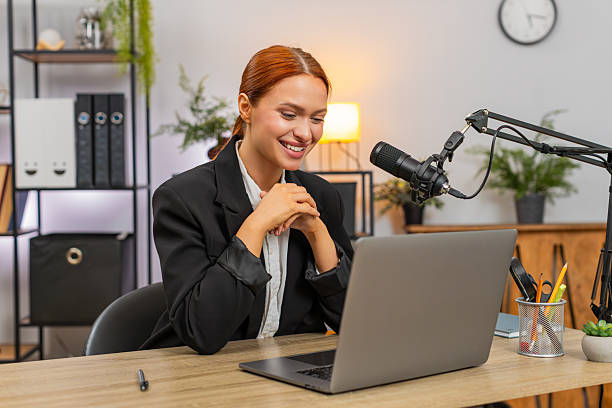
One thing nobody warns you about is how much your mic matters. I learned this the hard way. I thought my voice was cracking horribly, turns out it was just my cheap earphones. Online vocal training forces you to hear yourself clearly, which is uncomfortable at first. Like hearing your own recorded voice and thinking, Is that really me? But that discomfort actually helps. You catch mistakes faster. Also, small niche stat I read somewhere — singers who practice with recordings improve pitch accuracy faster than those who don’t. Makes sense, even if it hurts the ego.
Conclusion
I’ll be honest, sometimes the internet lags right when you’re hitting a high note. Very dramatic, very humbling. And yes, nothing replaces the energy of a live room. But online vocal training works surprisingly well if you’re consistent. It’s like going to the gym — fancy equipment doesn’t matter if you don’t show up. For people with busy schedules, anxiety, or tight budgets, this feels like a realistic way to actually learn singing instead of just thinking about it. And honestly, singing badly alone in your room is still better than not singing at all.