
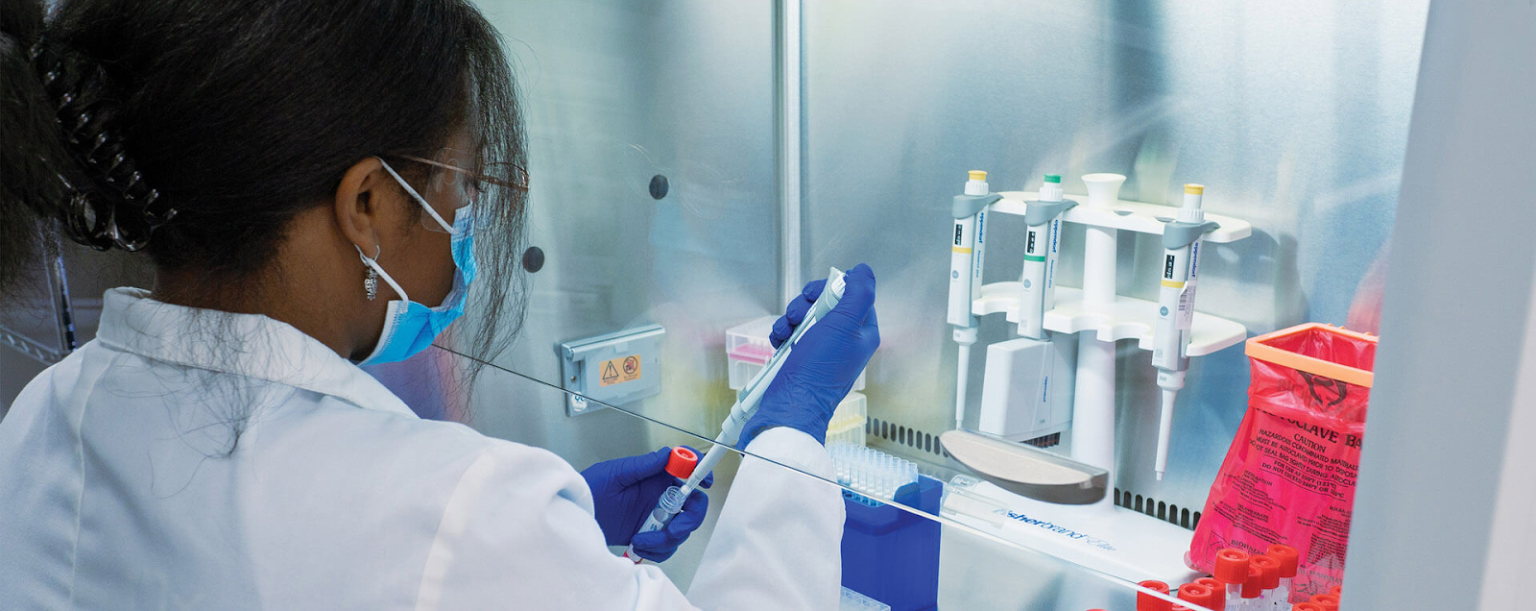
Wound infections can be serious and slow down healing if not detected early. Doctors and healthcare providers need fast and accurate ways to identify the cause of infections. One tool that has become very helpful is wound PCR testing. PCR stands for polymerase chain reaction, a method that can detect bacteria and viruses in wounds quickly.
This test has changed how medical professionals treat infections, and patients can benefit in many ways. In this article, we will explore five key benefits of wound PCR testing and why it is becoming an essential part of modern healthcare.
Faster Detection of Infection
One of the biggest advantages of wound PCR testing is speed. Traditional methods like wound cultures can take days to show results. With PCR testing, doctors can identify the bacteria or virus in just a few hours.
This fast detection allows medical staff to start the right treatment much sooner. Early treatment can prevent the infection from getting worse and reduce the risk of complications. For patients, this means less pain and faster recovery.
Higher Accuracy in Identifying Pathogens
Wound PCR testing can detect even small amounts of bacteria or viruses that traditional tests might miss. This makes the results more accurate. Accurate identification is very important because different bacteria require different antibiotics.
By knowing exactly which pathogen is causing the infection, doctors can choose the most effective treatment. This reduces the chances of using the wrong medication and helps prevent antibiotic resistance.
Reduced Risk of Chronic Wounds
When infections are not treated correctly, wounds can become chronic, meaning they do not heal properly. Wound PCR testing helps prevent this by providing precise information about the infection. With the right treatment, wounds can heal faster and more effectively.
Patients benefit from a shorter recovery time and fewer visits to the doctor or hospital. Chronic wounds also have a higher risk of complications, so preventing them improves overall health.
Better Monitoring of Treatment Progress
PCR testing can also be used to monitor how well a treatment is working. Doctors can repeat the test to check if the infection is decreasing or if the bacteria are responding to the medication. This allows them to adjust treatment if needed, ensuring the wound heals properly.
Patients feel more confident knowing that their recovery is closely monitored and guided by accurate information.
Supports Infection Control in Healthcare Settings
Finally, wound PCR testing helps hospitals and clinics manage infections more effectively. By quickly identifying infectious agents, healthcare staff can take steps to prevent the infection from spreading to other patients.
This is especially important in settings with vulnerable patients, such as those with diabetes or weakened immune systems. PCR testing helps create a safer environment for everyone and reduces the overall risk of hospital-acquired infections.
Conclusion
Wound PCR testing offers many benefits for both patients and healthcare providers. It provides fast and accurate detection of infections, reduces the risk of chronic wounds, helps monitor treatment, and supports infection control.
As technology continues to improve, PCR testing is likely to become an even more important tool in healthcare. Patients can heal faster and receive safer, more effective care thanks to this powerful method.